The must-see count
Marking only the artists you would cross a hot field for usually reduces a crowded poster to four or five names. That count, set against the pass price, is the clearest measure of value.
A careful reader can tell from the poster and the daily grid whether a festival matches how they actually listen, and whether a weekend pass is worth it.
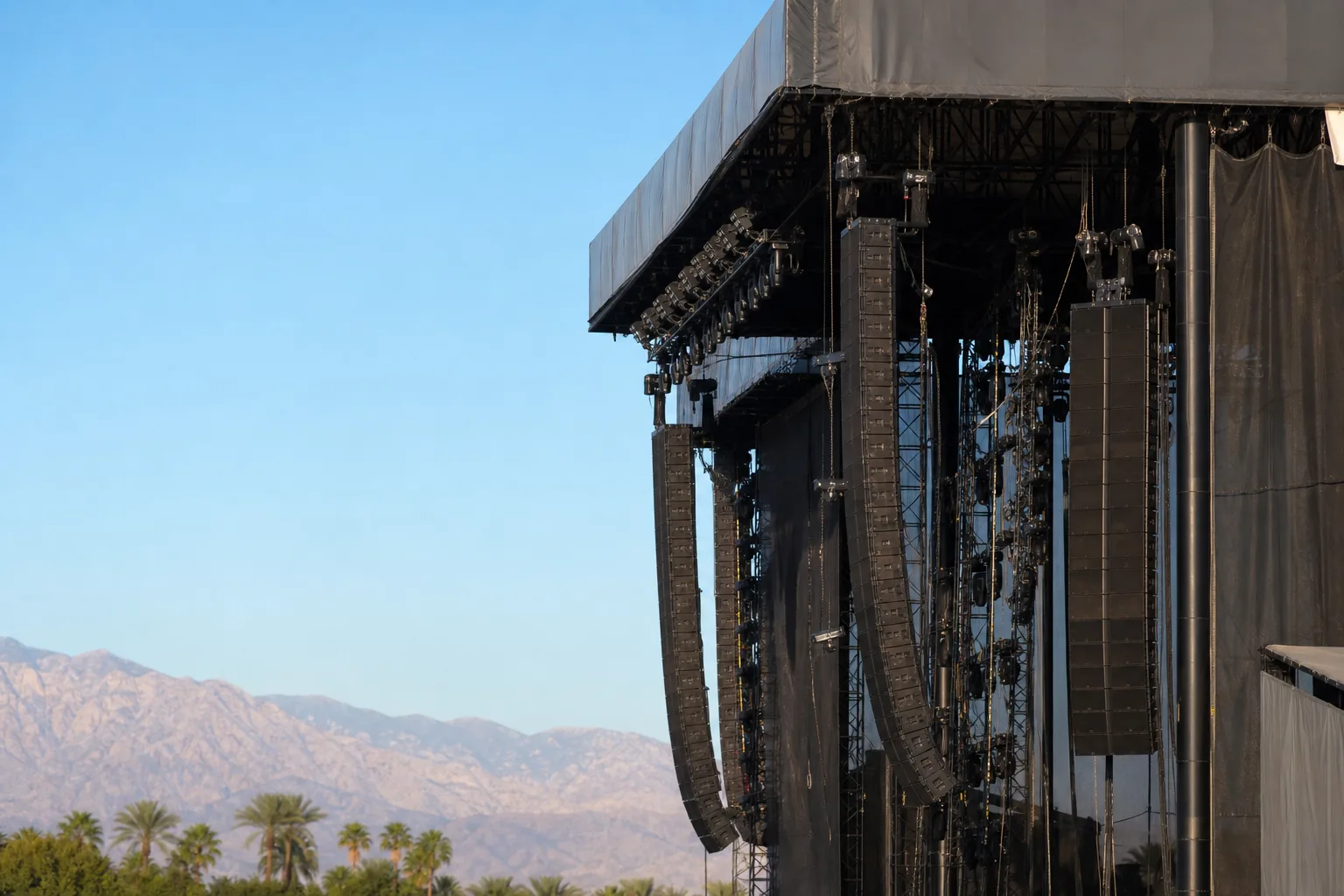
Type size on a poster reflects booking fees and billing negotiations, not how well an act suits your listening. Judge a lineup by the names you would rearrange a day around, whatever size they are printed in.
The poster is a marketing document before it is a schedule, and the difference matters when the pass is nonrefundable. Font size tells you who was expensive, not who you will enjoy. What a careful reader wants is the shape of the actual weekend: which acts play opposite each other, how far apart the stages sit, how many of the names you circled are also playing a cheaper event two states over in September. Most of that is knowable in advance, and some of it is knowable before the on-sale.
Take the poster and mark only the artists you would walk twenty minutes in heat to see. Not the ones you like, not the ones you have been meaning to check out: the ones you would rearrange a day around. Most posters that look stacked come down to four or five such names, and the rest is depth you will sample. That number, divided by the cost of the pass, is the honest arithmetic. Ten strong wants across three days is a different purchase from three wants and a lot of curiosity.
Headliners tour in circuits, and the same three or four acts anchor a dozen American festivals in a single summer. Search each of your must-see names alongside other events in your region and season, because a band that plays a Midwest weekend in June often plays a Gulf Coast or Pacific Northwest weekend later, sometimes with a routing clause that keeps them out of one market but not yours. Overlap is not a reason to skip an event. It is a reason to compare total costs, since the cheaper festival with the same top line frequently exists.
Posters are arranged by billing. Grids are arranged by time, and that is where the weekend actually breaks. Two of your five must-see acts will very often run head to head, because bookers place similar draws opposite each other to spread the crowd. Look at whether the conflicts sit early, when you can catch half of one set, or at the 9 p.m. slot, when the choice is total. A lineup with no conflicts among your circled names is worth more than a longer lineup with three.
Six stages sounds generous until you learn that two of them sit at opposite corners of a site that takes twenty-five minutes to cross with a crowd in it. Pull the site map and estimate the longest transit, then add time for a bathroom line and a water refill. Festivals built on racetracks and fairgrounds tend to be compact; those on ski hills, ranches, or riverfront parks are not. A three-stage event with short walks often delivers more music per day than a sprawling one with double the stages.
Single-day passes usually cost more per day than the full pass, which is the point, but the comparison should include lodging and travel. If your circled acts cluster on Saturday, one day plus one hotel night can undercut three days plus camping fees and a fourth tank of gas. Watch how single-day tickets are sold too: some events release them only after the grid posts, some cap them, and some never offer them at all. The Federal Trade Commission oversees how ticket sellers disclose fees, so compare final checkout totals rather than the advertised face price.
Some festivals publish daily set times months ahead, which lets you buy flights, choose a single day, and decide whether the conflicts are tolerable before you commit. Others hold the grid until two or three weeks out, well after the cheap tier of passes has sold and the nearby hotels have filled. Neither approach is wrong, but they demand different behavior from you. If an event has a history of late scheduling, look at last year's grid, which is usually still online, and assume the same stage-by-stage rhythm holds.
Keep a plain text file for each festival you are considering: circled names, known conflicts, longest walk, day-pass math, and the date last year's schedule went public. By the time the second on-sale arrives, the file has usually made the decision for you, and the poster becomes what it was always meant to be, a picture of the weekend rather than the argument for it.